
Mouth ulcers can make everyday activities like eating, drinking and talking uncomfortable. When a sore appears, many people reach for a familiar ulcer gel to get quick relief. But have you ever checked the active ingredients before applying it?
In Australia, Bonjela Adult has been subject to pharmacy-only supply arrangements since October 2023. This change prompted some people to look for a Bonjela alternative and explore other ways to manage mouth ulcer discomfort.
Understanding the difference between medicated gels and protective mouth ulcer patches can help you make a more informed choice.
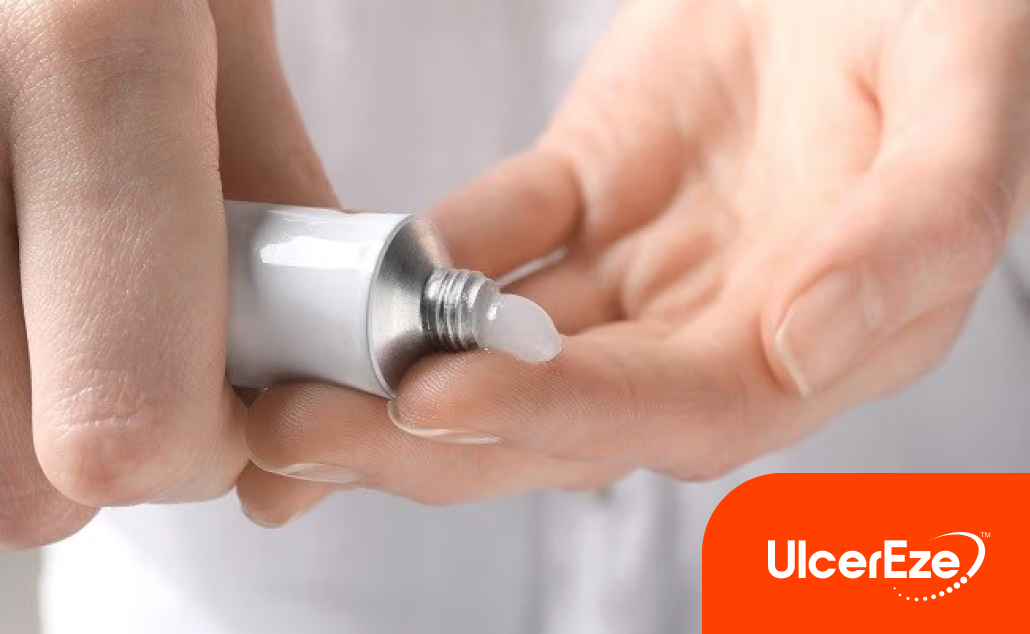
Bonjela Adult contains choline salicylate, a medicine from the salicylate family, which is related to the group of medicines that includes aspirin.
Choline salicylate helps relieve pain and inflammation when applied according to the product instructions. However, like other medicines, it may not be suitable for everyone.
Depending on the product, salicylates may be unsuitable for people with certain sensitivities or medical conditions and may interact with some medicines, including blood thinners.
This is why checking the active ingredients matters, particularly if you take regular medication or have previously been advised to avoid aspirin or related medicines.
Always read the Australian product label and ask a pharmacist if you are unsure whether a medicated mouth ulcer gel is suitable for you.
In October 2023, Bonjela Adult moved from general sale to pharmacy-only supply in Australia.
The change followed concerns about the potential for excessive or inappropriate use of choline salicylate gels, particularly in children.
Regulatory advice can differ between countries. For example, the UK’s guidance on oral salicylate gels for children has been more restrictive because of concerns about a possible association between salicylates and Reye’s syndrome, a rare but serious condition.
This makes it important to check the age restrictions and directions on the Australian product you intend to use rather than relying on overseas packaging or advice.
If you are choosing a mouth ulcer treatment for a child, ask a pharmacist or healthcare professional which option is appropriate for their age.
Not all mouth ulcer treatments work in the same way. Some use medication to relieve symptoms, while others create a protective barrier over the sore.
Understanding these differences can help you compare the available options.
Medicated gels may contain ingredients that help relieve pain or reduce inflammation. Their suitability depends on the active ingredient, the person’s health and the product’s directions.
Some gels provide a noticeable sensation soon after application, which people may find reassuring. However, more frequent application does not necessarily mean better relief.
Always follow the recommended dose and application intervals.
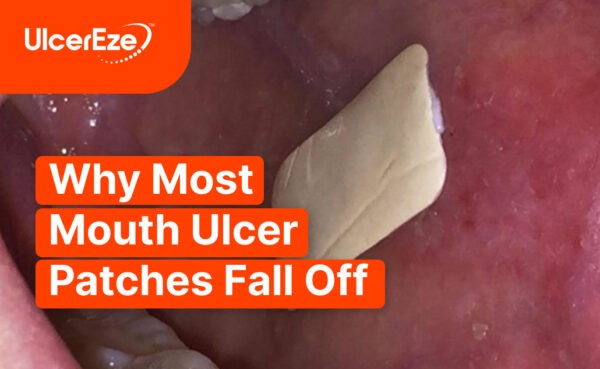
A mouth ulcer patch works differently from a medicated gel. Rather than relying on a drug to relieve symptoms, a protective patch is designed to cover the affected area.
Depending on the product, this barrier can help reduce direct contact between the ulcer and irritating foods, teeth or other surfaces inside the mouth.
For people looking for a non-medicated option, a patch may be worth considering. However, check the ingredients and age recommendations because not every patch is drug-free or suitable for everyone.
Some products are designed to protect the ulcer without using medicinal ingredients such as salicylates, steroids or local anaesthetics.
For people who prefer to avoid certain active medicines, this may be an alternative worth discussing with a pharmacist.
However, drug-free does not automatically mean suitable for every person or every type of mouth sore. Check the product information and seek advice if you have concerns.
There is no single answer because the two options serve different purposes.
A medicated gel may help relieve pain or inflammation, depending on its ingredients. A protective patch aims to shield the sore from irritation.
For example, a sore on the inside of your cheek may repeatedly rub against your teeth while eating. A suitable patch may help protect that area from friction.
On the other hand, a patch may not adhere well to every part of the mouth, and some ulcers may require a different approach.
When comparing a patch for mouth ulcers with a gel, consider:
The right choice depends on your individual circumstances, not simply which product promises the fastest relief.
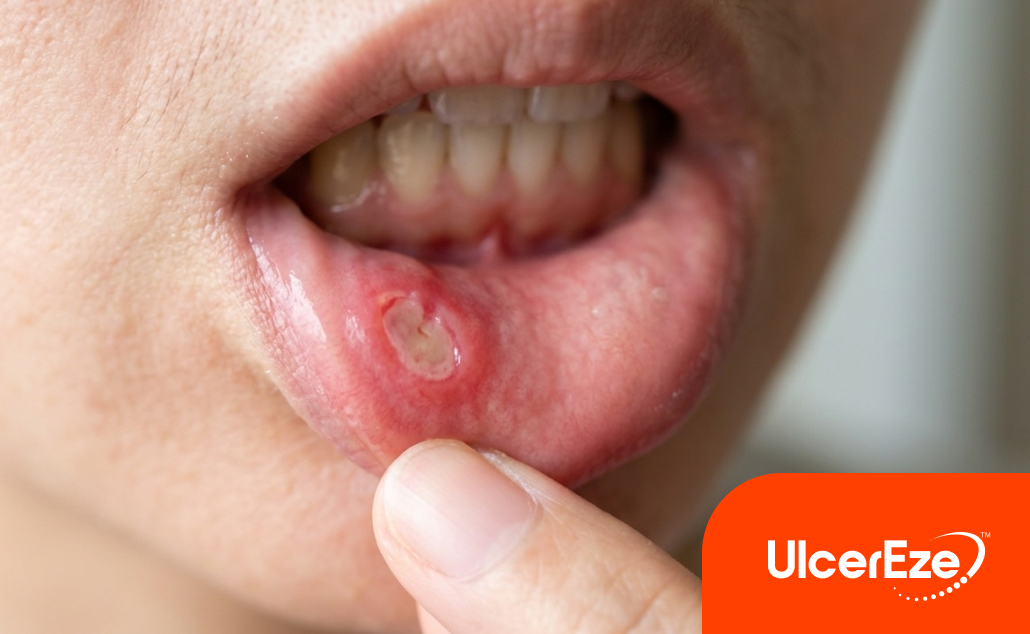
People searching for UlcerEze may be looking for an alternative approach to managing mouth ulcer discomfort.
UlcerEze was developed by two Melbourne pharmacists and is designed as a drug-free option without medicinal ingredients such as steroids or numbing agents.
Rather than relying on those medicines, its approach focuses on protecting the ulcer. This may appeal to people who prefer a non-medicated product, subject to the product’s directions and suitability.
UlcerEze is marketed for adults and children over three. Always check the current packaging for age restrictions and instructions before use, particularly when choosing a product for a child.
If you take blood-thinning medication, have asthma triggered by aspirin or have been advised to avoid salicylates, ask your pharmacist about suitable alternatives rather than assuming that any particular product is appropriate for you.
Most minor mouth ulcers improve within one to two weeks. However, not every sore inside the mouth is a simple ulcer.
Seek advice from a dentist or healthcare professional if an ulcer lasts longer than three weeks, keeps returning, becomes unusually large or painful, or is accompanied by other concerning symptoms.
A professional assessment can help identify the cause and determine whether further treatment is needed.
When a mouth ulcer appears, it is easy to reach for the same product you have always used. But taking a moment to check the ingredients can help you understand whether that treatment suits your needs.
A medicated gel and a protective mouth ulcer patch work differently, and each has its own considerations. If you prefer to avoid certain medicinal ingredients, ask a pharmacist about drug-free options.
Looking for an alternative to traditional mouth ulcer gels? Explore UlcerEze to learn more about its drug-free approach to mouth ulcer protection.
The key is to choose a product based on its ingredients, intended use and suitability for you—not just its familiarity.